



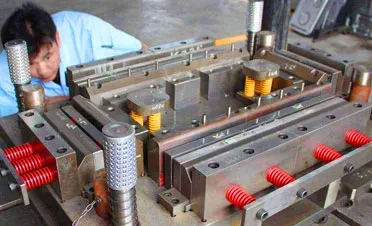
stamping die components
stamping die components
Understanding the Parts of a Stamping Die A stamping die is a crucial tool in manufacturing, particularly in the metalworking and fabrication industries. It is primarily used to shape and cut materials, typically metal sheets, into specified forms and designs. Understanding the various parts of a stamping die is essential for anyone involved in the stamping process, whether as an engineer, technician, or operator. This article aims to outline the primary components of a stamping die, their functions, and their importance in the stamping process. 1. Die Blocks The die blocks are the foundational components of a stamping die. They are typically made from hardened steel and provide the structural support necessary for the die. Usually consisting of an upper and lower block, these components house the various die parts. The durability of the die blocks is crucial, as they must withstand repetitive pressure and impact during the stamping process. 2. Punch The punch is another critical part of a stamping die. It is the component that actually presses into the material to cut or shape it. The punch's design can vary significantly depending on the desired shape of the finished product. It must be precisely engineered to ensure that the stamping process produces clean, accurate cuts without damaging the surrounding material. 3. Die Cavity . The die cavity is the hollow space within the die block that corresponds to the shape of the punch. When the punch is pressed into the material, it creates a shape according to the design carved into the die cavity. The precision of this cavity is vital, as any imperfections can lead to defects in the final product. 4. Guide Pins and Bushings parts of a stamping die These components ensure that the punch and die align perfectly during the stamping operation. Guide pins fit into bushings located in both the upper and lower die blocks to maintain alignment throughout the process. This precision is critical; any misalignment can lead to scrap material or defective products. 5. Stripper Plate The stripper plate is a part that helps to release the stamped part from the punch. After the punch moves through the material to create the desired shape, the stripper plate pulls the material away from the punch, ensuring that it doesn’t stick and cause jams or misalignments. This component is particularly important in high-speed stamping operations where quick cycles are necessary. 6. Spring Springs are often included in stamping dies to provide necessary tension during the stamping process. They can serve various functions, such as pushing parts away from the punch or maintaining pressure to keep the material in place. The use of springs reduces the risk of malfunction and increases the overall efficiency of the stamping operation. 7. Ejector Pins Ejector pins are employed to help remove the finished part from the die once the stamping has occurred. Located in the lower die block, these pins push the stamped part out quickly and reliably, minimizing hold-up time and allowing for a smoother transition into the next stamping cycle. Conclusion Understanding the parts of a stamping die helps streamline the manufacturing process and improve the quality of the final products. Each component is designed to play a specific role, exemplifying the precision engineering behind effective stamping operations. Factors such as the choice of materials, design accuracy, and maintenance of these components significantly influence production efficiency and product quality. Consequently, knowledge of stamping die parts is invaluable for anyone looking to succeed in the manufacturing and metalworking industries.
-
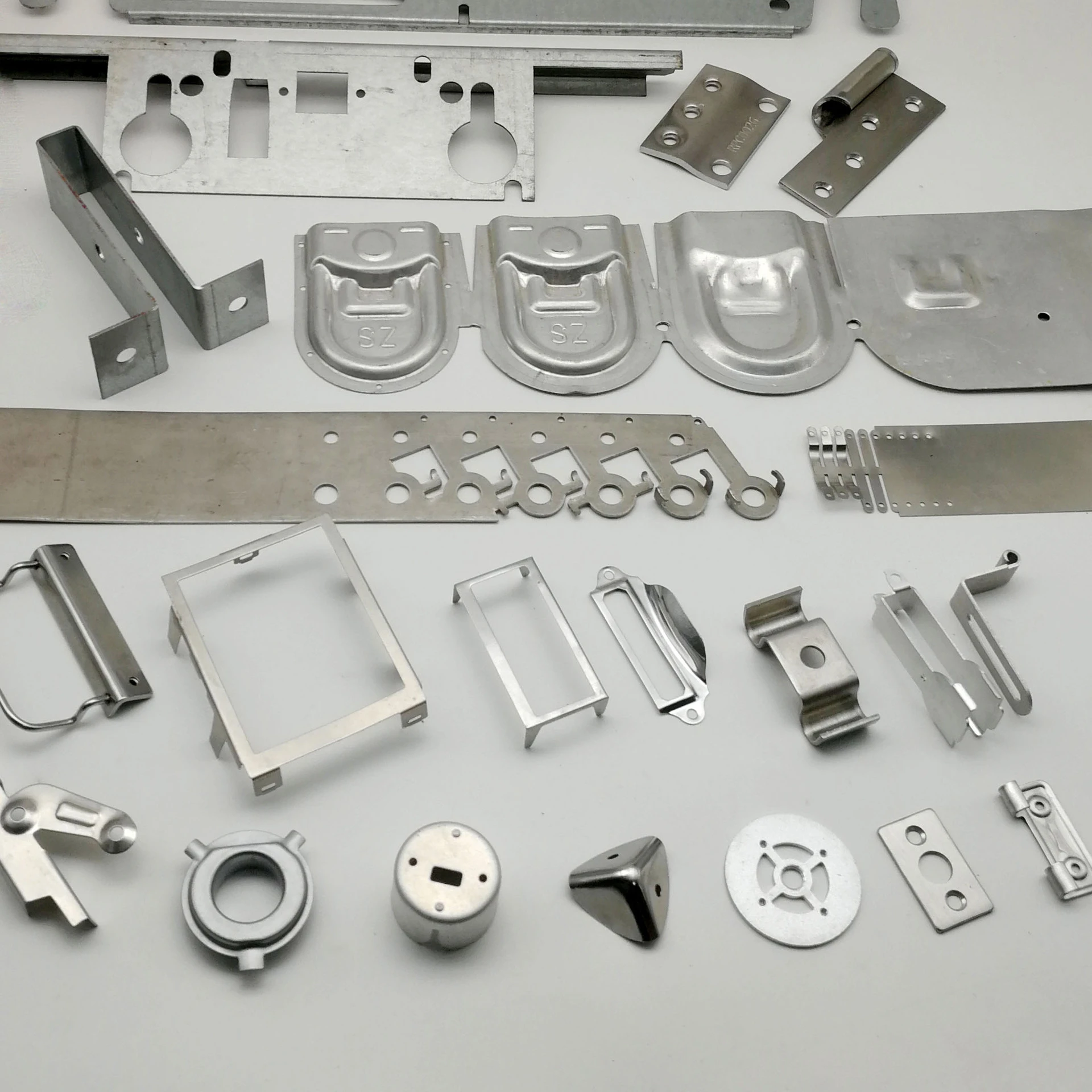 2026-06-15 15:56Understanding Sheet Metal Stamping Processes and Applications in ManufacturingUnderstanding Stamping in Sheet Metal Fabrication Stamping is a pivotal process in the realm of metal fabrication, particularly when working with sheet metal. The procedure encompasses transforming flat sheets of metal into desired shapes and forms through the application of high pressure. This technique is widely employed across various industries, including automotive, aerospace, electronics, an
 -
 2026-06-15 15:37Understanding the Importance of OEM Oil Drain for Your Vehicle's MaintenanceUnderstanding OEM Oil Drain Importance and Best Practices In the realm of automotive maintenance, ensuring that a vehicle's engine runs smoothly is paramount. One critical aspect of this maintenance is the oil drain process, particularly when it involves Original Equipment Manufacturer (OEM) specifications. Understanding what OEM oil drain means and why it is essential can help vehicle owners main
 -
 2026-06-15 15:10precision sand castingPrecision Sand Casting An Overview Precision sand casting is one of the most widely used manufacturing processes in the industry, providing the ability to produce complex parts with high dimensional accuracy. This method utilizes sand as the primary molding material, enabling manufacturers to create intricate shapes and designs that meet the stringent tolerances required in modern engineering appl
 -
 2026-06-15 14:39umc die castingThe Importance of Die Casting in Modern Manufacturing Die casting is a highly efficient and precise manufacturing process widely used in various industries, including automotive, aerospace, electronics, and consumer goods. This technique involves forcing molten metal into a mold cavity under high pressure, allowing for the creation of complex shapes with excellent surface finishes. In this article
 -
 2026-06-15 14:17ประเภททรายสำหรับการหล่อในการผลิตและวิศวกรรมการหล่อเป็นวิธีการผลิตที่สำคัญที่ใช้ในการสร้างชิ้นส่วนโลหะหรือลูกปืนที่มีรูปทรงซับซ้อน โดยวิธีการนี้อาศัยการเทโลหะหลอมเหลวลงในแบบหล่อที่ทำจากวัสดุต่างๆ ซึ่งหนึ่งในวัสดุที่สำคัญในการทำแบบหล่อก็คือ ทรายหล่อ (casting sand) ที่มีหลายประเภท โดยในบทความนี้เราจะมาทำความรู้จักกับประเภทต่างๆ ของทรายหล่อกัน ทรายหล่อที่ใช้ในกระบวนการหล่อมีหลายชนิด แต่โดยทั่วไปสามารถแบ่งออกเป็น 3 ประเภทหลัก ได้แก่ ทรายซิลิกา